

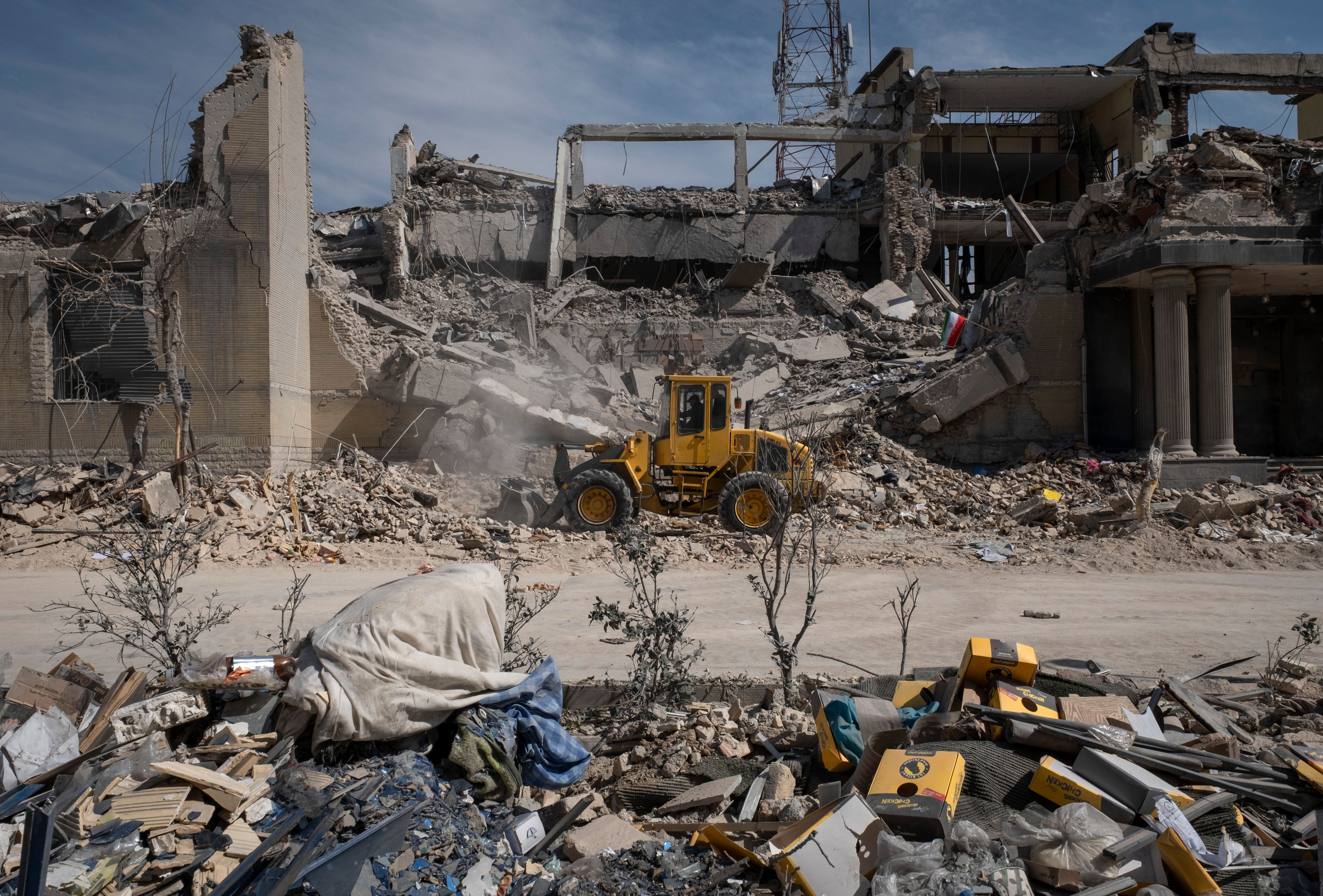
Bahrain, a key American ally that hosts one of the most important U.S. naval bases in the Middle East, is so concerned about domestic unrest that it is bringing in foreign security forces as protests erupt against the kingdom’s role as a launchpad for Washington’s expanding war with Iran.
Bahrain has brought in anti-riot troops from Jordan to help suppress protests, national security sources tell me, confirming rumors that began circulating last week. The deployment marks the first time since the Arab Spring that Bahrain has called in foreign forces to quell domestic unrest – a sign of how seriously the monarchy is taking the threat of protests from the country’s Shia-majority population.
Mass protests have broken out against the Bahraini ruling class and the U.S.’s involvement in the country, especially with the recent assassination of Ayatollah Ali Khamenei, one of the most prominent Shia religious leaders in the world. Bahrain’s authorities have responded violently to protesters, firing tear gas directly into crowds. The demonstrations, one U.S. official told me, speak to how “deeply unpopular” the U.S.-backed regional order is in Bahrain and “the broader Muslim world.”
In 2011, Bahrain relied on a similar regional intervention to crush mass Arab Spring protests. Troops from several Gulf states, including Saudi Arabia and the United Arab Emirates, entered the country as part of the Saudi-led Peninsula Shield force – a security mechanism that has since evolved into what is now known as the Unified Military Command.
Iran has been targeting U.S. bases and infrastructure in countries that allow their territory to be used for attacks against it. A senior Iranian official told Drop Site that Iran may decrease its attacks on U.S. bases in the region to shift to increasing attacks against Israel because the strikes on U.S. military infrastructure have achieved most of their aims. In effect, Tehran is attempting to shift the burden of the war onto Washington’s regional partners, raising the domestic, economic, and political costs for governments that allow their territory to be used as staging grounds for U.S. military operations.
“I hope those countries have learned the lesson,” Esmail Baghaei, Iran’s Foreign Ministry spokesman, said earlier this week. “We urge them not to allow their territories to be used by the U.S. or the Zionist entity to stage attacks against Iran.”
The U.S. State Department and the embassies of Bahrain and Jordan did not immediately respond to requests for comment.